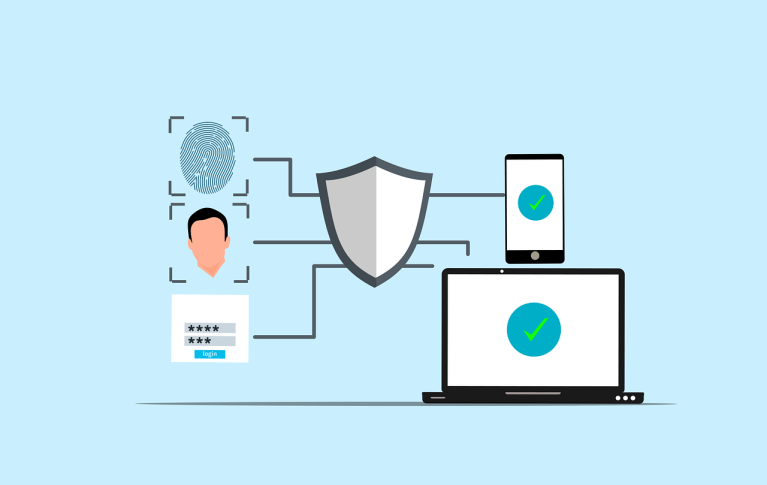
As the digital landscape grows, so do the risks. With IoT malware attacks increasing by 37% in recent months, totaling 77.9 million incidents, securing your business’s smart devices has never been more critical. Small and medium-sized businesses (SMBs) who handle client data and payment records, like those in professional services, financial, specialized health care and similar sectors of Northern Kentucky, will need to be vigilant about their IoT security, especially when smart devices play such a significant and growing role in their daily operations.
Earlier this year the U.S. government launched a new initiative to help businesses and consumers navigate the complexity of device security: the Cyber Trust Mark. Let’s explore how this new certification can help safeguard your operations and enhance the security of your IoT devices.
What Is the Cyber Trust Mark?
The Cyber Trust Mark is a new, government-backed initiative designed to certify that smart devices meet specific security standards. It is an important step toward addressing the vulnerabilities inherent in IoT devices such as smart thermostats, security cameras, and baby monitors. While these devices make our lives more convenient, they also expose businesses to potential cyber threats. The Cyber Trust Mark ensures these devices have passed rigorous security testing, reducing their risk and vulnerability of cyberattacks.
For small businesses in Northern Kentucky, adopting these safe, trusted devices is critical. Whether you are managing client data or internal operations, having secure smart devices can be a key part of your cybersecurity strategy to mitigate costly incidents and disruptions.
How Does a Device Earn the Cyber Trust Mark?
The Cyber Trust Mark isn’t given out lightly. To earn the certification, a device must undergo a series of security tests which cover several critical areas, including:
-
Password Strength: Weak passwords are one of the most common ways hackers gain access to devices. Devices with the Cyber Trust Mark require strong, hard-to-guess passwords.
-
Data Protection: Devices must securely handle personal and business data. This includes encryption and other methods that prevent unauthorized access to sensitive data, payment records and accounts.
-
Regular Software Updates: IoT devices that undergo frequent software updates are less vulnerable to exploitation. The Cyber Trust Mark ensures that these devices are regularly maintained and updated to stay secure as new threats emerge.
By investing in devices which have passed these security checks, Northern Kentucky businesses can best ensure their operations are protected from cybercriminals.
Why Is the Cyber Trust Mark Important for Small & Medium Businesses (SMBs)?
For SMBs, especially those who rely heavily on smart devices and securing personally identifiable information, the Cyber Trust Mark represents a commitment to security. Businesses who handle sensitive client data, contact information and payment records, and who often use IoT devices for tasks such as data management, communication, and monitoring need to implement stringent security and compliance. Devices that carry the Cyber Trust Mark are less likely to become vectors for cyberattacks, reducing the risk of data breaches, downtime, and financial loss.
Furthermore, with the rise of AI-powered cyberattacks, the need for reliable, secure and easily updated devices is becoming even more urgent. As IoT technology continues to advance, the potential for vulnerabilities grows, which means the importance of having secure, trusted devices which can be easily and quickly updated will only increase.
How Does the Cyber Trust Mark Help Consumers?
While the Cyber Trust Mark is vital for businesses, it also offers significant benefits for consumers. It helps to simplify the purchasing decision process, even for those without deep technical knowledge. When consumers see the Cyber Trust Mark on a device, they know that the product has undergone strict security testing and meets industry standards.
For Northern Kentucky businesses who serve consumers or have a customer-facing operation, showcasing the use of Cyber Trust-certified devices can be a selling point to show your customers you care about them. It helps build trust with your clients, knowing that you have taken proactive measures to protect their sensitive information.
What If a Device Doesn’t Have the Cyber Trust Mark?
A device without the Cyber Trust Mark isn’t necessarily unsafe, but it may require additional scrutiny and work. Businesses should evaluate the security features of such devices by reviewing their specifications, confirming their safety standards, and security update procedures. Regular software updates, strong password protection, and secure data handling should still be a priority, even if the device is not officially certified with the Cyber Trust Mark to indicate it meets industry best practices for security.
For SMBs serving the professional services sector, taking these extra steps can save time, as well mitigate the risks posed by devices without the Cyber Trust Mark.
What Should SMBs Do to Secure Their Existing IoT Devices?
If your business already uses IoT devices which don’t display the Cyber Trust Mark, there are still plenty of ways to improve their security. Here are some steps Simple IT advises to protect your devices:
-
Change Default Passwords: Default passwords are often easy to guess and are a common entry point for hackers to gain access to your business network.
-
Regularly Update Software: Keeping your device’s software up to date is crucial for patching vulnerabilities, and if the device won’t provide automatic updates, then set a calendar reminder to schedule the updates yourself.
-
Disable Unused Features: Turn off any unnecessary features on your devices like location recognition, and auto-fill of field which will help to minimize potential attack surfaces.
-
Secure Your Wi-Fi Network: Use a strong, encrypted Wi-Fi password to protect your network from unauthorized access, and use separate networks as best as possible to keep non-critical devices from impacting your businesses primary network.
By following these steps, businesses in Northern Kentucky can take immediate action to secure their IoT devices, even before the Cyber Trust Mark becomes widespread.
The Future of IoT Device Security
While the Cyber Trust Mark is a significant milestone, it’s just the beginning. As the cyber threat landscape evolves, the standards for IoT device security will become greater and more secure. Over time, we can expect:
-
More devices will carry the Cyber Trust Mark. From smart TVs to home automation systems, the mark will expand to more types of devices.
-
Testing protocols will continuously improve. Advances in cybersecurity will lead to more comprehensive testing methods for devices.
-
International adoption will increase. While the mark is currently U.S.-focused, other countries are expected to implement similar security standards in the future.
Staying ahead of these changes will be essential for businesses throughout Northern Kentucky. Ensuring your devices are secure will help mitigate risks and protect your vital business operations to reduce crippling downtimes.
Stay Ahead of Cyber Threats with Smart Device Security
As IoT devices continue to shape the modern business environment, securing your smart devices should be a top priority. The Cyber Trust Mark is a powerful tool for ensuring that your devices meet high security standards. For businesses serving professional services in Northern Kentucky, investing in certified devices and following best security practices will be crucial to maintaining trust and protecting important data.
Need assistance or guidance in evaluating the security of your IoT devices, or have questions about implementing smart device safety in your business? Simple IT and our trusted services and support team is ready to help. Contact us today to learn how we can enhance your cybersecurity strategy and ensure your business stays continuously safe in an increasingly connected world.
—
This Article has been Republished with Permission from The Technology Press.