Ransomware is a significant cybersecurity threat, affecting individuals, small and mid-sized businesses (SMBs), and government agencies. If you're based in Northern Kentucky, this article outlines how you can protect yourself from ransomware attacks and reduce potential damage. Learn how IT Managed Service Providers (MSPs) who specialize in cybersecurity, like Simple IT, can help safeguard your business continuity and data from ransomware.
What is Ransomware?
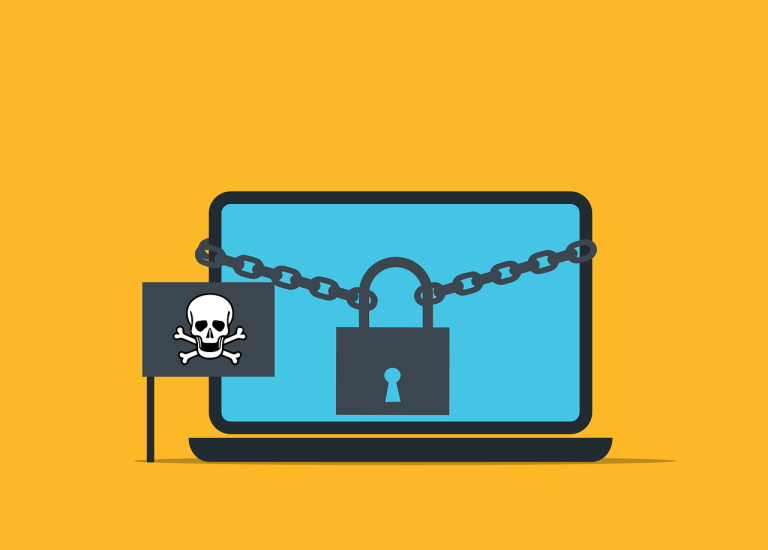
Ransomware is malicious software that locks your files and demands payment to restore access. It can be costly and devastating for businesses, causing downtime, loss of data, and damage to your reputation. Understanding how ransomware works is crucial for preventing attacks.
How Does Ransomware Work?
Ransomware typically enters systems via phishing emails, compromised websites, or unsecured network connections. Once inside, it locks your files with strong encryption and demands a ransom for their release. These attacks are particularly harmful to small businesses and government agencies that lack robust IT security.
How Can You Prevent Ransomware Attacks?
Prevention is essential. Follow these steps to reduce your risk:
-
Keep Your Software and Systems Updated
Regularly update your operating system, antivirus software, and applications. Cybercriminals exploit software vulnerabilities to launch ransomware attacks, so timely updates are critical. -
Use Strong Antivirus and Anti-malware Software
Invest in comprehensive antivirus solutions and keep them updated. These tools can detect and block ransomware before it harms your systems. -
Be Cautious with Emails and Attachments
Phishing emails are a common method for delivering ransomware. Never click on links or download attachments from unknown senders. Work with your IT support team to implement email security measures. -
Implement Data Backup Solutions
Regular backups ensure that you can quickly restore files if ransomware encrypts them. Store backups offsite or in the cloud to protect against ransomware. -
Secure Your Network and Endpoints
Use firewalls, VPNs, and other security measures to protect your network. Restrict access to sensitive data to authorized personnel only.
What to Do If You Are Hit by Ransomware
If ransomware infects your system, don’t panic. Follow these steps:
-
Disconnect from the Network
Disconnect your device from the internet and network to stop the ransomware from spreading to other systems. -
Do Not Pay the Ransom
Experts recommend against paying the ransom. There's no guarantee you’ll get your files back, and paying only encourages further attacks. -
Report the Attack
Report the ransomware attack to law enforcement and cybersecurity authorities, such as the Cybersecurity & Infrastructure Security Agency (CISA). This helps authorities gather information to prevent future attacks. -
Restore Files from Backup
If you have backups, restore your files immediately. A good backup strategy ensures minimal downtime.
How Can Businesses Protect Themselves from Ransomware?
At Simple IT, we work with SMBs and government agencies in Northern Kentucky to protect them from ransomware. Here are additional tips for businesses:
-
Employee Training and Awareness
Educate your employees about phishing emails and suspicious links. Regular training helps your team identify threats early. -
Use Strong Passwords and Multi-Factor Authentication
Enforce strong password policies and enable multi-factor authentication (MFA) to add an extra layer of security. -
Limit Access to Sensitive Data
Use role-based access controls to restrict access to important files, reducing the potential spread of ransomware. -
Develop an Incident Response Plan
A ransomware response plan ensures your team can quickly handle an attack. Run drills to practice responding effectively.
How is Ransomware Evolving?
Ransomware continues to evolve with new tactics. Here are emerging trends:
-
Attacks on Mobile Devices
Ransomware now targets smartphones and tablets. Ensure all devices connected to your network are secure. -
Double Extortion
Attackers now steal data before encrypting it. They then threaten to release the data unless a ransom is paid. This makes attacks more damaging. -
Cloud Service Attacks
With the shift to cloud storage, ransomware is increasingly targeting cloud-based services. Ensure your cloud accounts are secure, using encryption and multi-factor authentication.
How Simple IT Can Help Protect Your Business from Ransomware
As a trusted IT Managed Service Provider serving Northern Kentucky, Simple IT offers services to protect businesses from ransomware and other cybersecurity threats. Our solutions include:
-
24/7 IT Support and Network Monitoring
Our team monitors your systems for suspicious activity to prevent ransomware attacks. -
Business Continuity and Data Backup Solutions
We ensure that your critical data is backed up and can be quickly restored in case of an attack. -
Cybersecurity Assessments and Risk Management
We identify vulnerabilities in your IT systems and provide strategies to address them. -
On-premises Security Solutions
Secure your physical and digital assets with customized security solutions.
Stay Safe and Prepared Against Ransomware
Ransomware is a serious threat, but you can protect your business by following best practices such as regular software updates, data backups, and employee training. Simple IT helps businesses and government agencies in Northern Kentucky implement effective cybersecurity measures to deter and defend against ransomware.
Contact Simple IT today for a free consultation and network scan to learn how we can help safeguard your business from ransomware and other consequential threats.
—
This Article has been Republished with Permission from The Technology Press.