Passwords are still one of the biggest security risks for businesses.
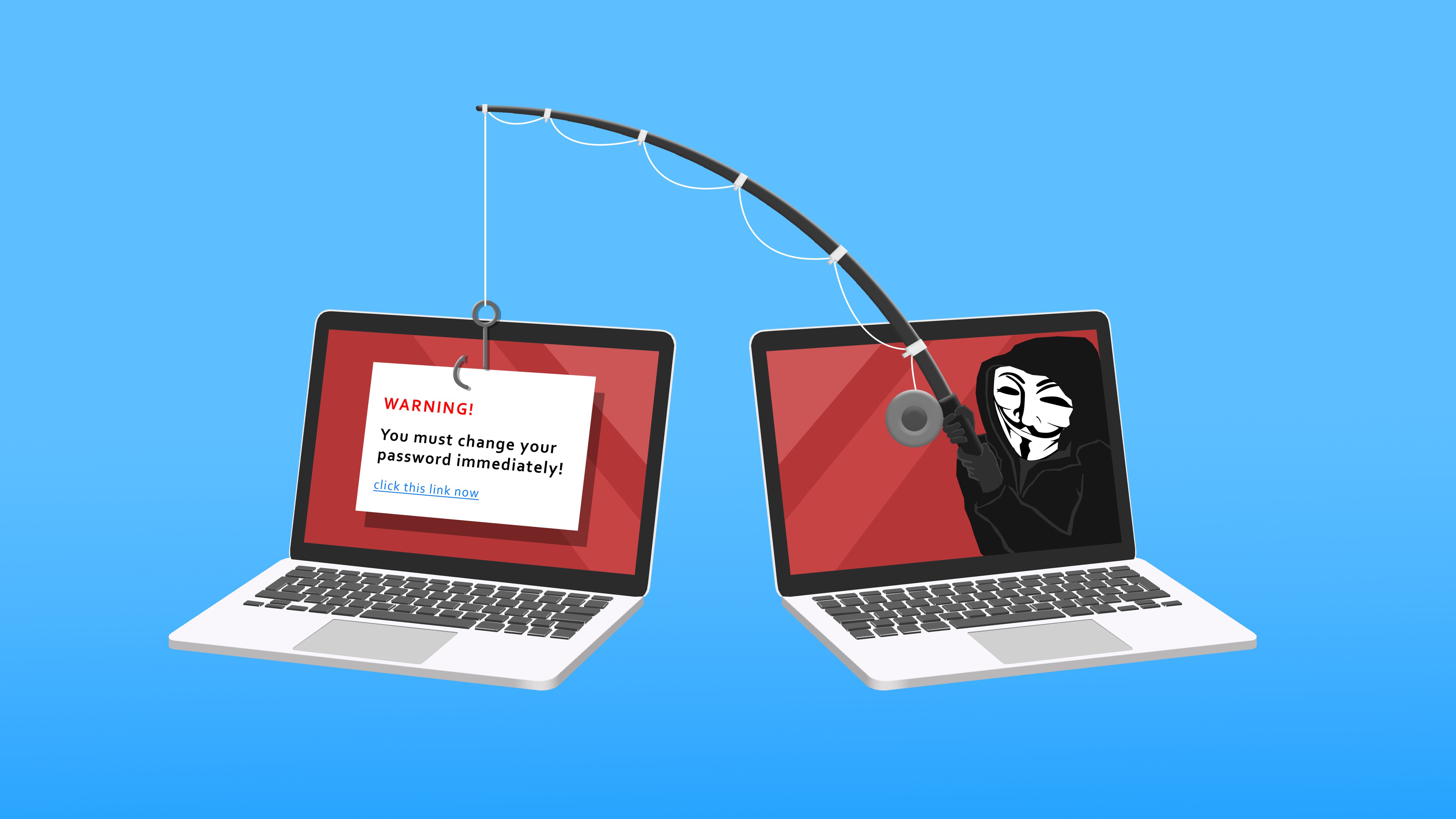
People reuse them across accounts, write them on sticky notes, and type them into convincingly fake login pages without realizing it.
Passkeys for business are designed to replace traditional passwords with a faster and far more secure way to sign in.
A passkey lets you sign in with the same fingerprint, face scan, or PIN you already use to unlock your phone or laptop. There's no password to type, so there's nothing for an attacker to steal, guess, or trick out of you.
In this guide, we'll explain what passkeys are, how they improve business security, why they're more resistant to phishing attacks, and whether your business should start using them.
What Are Passkeys and How Do They Work?
A passkey replaces your password with your device's own security.
Instead of relying on traditional passwords, passkeys use passwordless authentication to verify your identity.
Instead of typing a password, you prove it's you the same way you unlock your phone: a fingerprint, a face scan, or a PIN.
When you set up a passkey for a website, your device creates two matching keys.
The private key stays locked on your device and never leaves it.
The public key is stored by the website.
When you sign in, the site sends a challenge that only your private key can answer, your device answers it once you confirm with your fingerprint or PIN, and you're in. The website never sees a password, because there isn't one. This approach comes from a standard called FIDO, which Apple, Google, and Microsoft all build on.
Why Passkeys Are More Secure Than Passwords
A password is a secret you share with the website every time you log in, and that's exactly what attackers go after.
A passkey has no shared secret. That one difference fixes the biggest problems with passwords.
- They can't be phished. A passkey only works on the real website it was created for. Land on a convincing fake, and the passkey simply won't work, so there's nothing to hand over. That matters, because phishing is how most break-ins start.
- There's no password to steal in a breach. The website only keeps your public key, which is useless on its own. If the company gets hacked, there's no password list to grab and try on your other accounts.
- Nothing to reuse or forget. Each passkey is unique to one site and made automatically, so reused and weak passwords stop being a problem.
Older methods like text-message codes and app approval prompts can still be tricked out of people.
Passkeys also reduce the need to rely on passwords combined with traditional multi-factor authentication (MFA), making secure logins both safer and simpler.
Where Can Businesses Use Passkeys?
Passkey integration, security, and support has spread fast.
You can already sign in with passkeys to Microsoft, Google, and Apple accounts, plus a growing list of banks, password managers, and business tools.
Apple, Google, and Microsoft have built passkeys into their phones, laptops, and browsers, so the device in your pocket can already store and use them.
There are two types worth knowing.
A synced passkey is backed up to your Apple, Google, or Microsoft account, so it works across all your devices and you're covered if you lose one.
A device-bound passkey stays on a single device, like a physical security key you plug in, which is the most locked-down option and a common pick for sensitive accounts.
Should Your Business Use Passkeys?
For most businesses, the answer is "Yes", and you can start small. There's no need to switch everything overnight or drop passwords on day one.
If you use Microsoft 365, passkeys are already available through Microsoft Entra.
Staff can sign in with a passkey stored in the Microsoft Authenticator app, a security key, or their own device. Google Workspace supports them too.
They're also just faster. Microsoft says signing in with a synced passkey takes about 3 seconds, against roughly 69 seconds for a password plus a traditional MFA code. Across a whole team, that adds up.
Here’s how you can start using passkeys:
- Turn passkeys on for your most sensitive accounts first: administrators, finance, and anyone who can move money or change systems.
- Let everyone else add a passkey as a faster, safer way to sign in, alongside their normal login at first.
- Make sure each person has a backup, like a second device or a security key, so a lost phone doesn't lock anyone out.
Your IT provider, like Simple IT, can switch this on and run the rollout so nobody gets locked out along the way.
Things to Consider Before Switching to Passkeys
Passkeys aren't magic, and a few things are worth planning for.
- Account recovery. If someone loses the only device with their passkey and has no backup, they can get locked out. A synced passkey or a second registered device fixes this, but you have to set it up ahead of time.
- Not everything supports them yet. Support is growing fast, but some older systems and smaller vendors still rely on passwords, so you'll run both side by side for a while.
- Shared devices and logins. Passkeys are tied to a person and their device, so any shared computers or shared accounts need their own plan
The Bottom Line
As more software providers adopt passkeys for business, passwordless authentication is quickly becoming the new standard for secure logins. Businesses that start planning now can strengthen security, reduce phishing risks, and make signing in easier for employees.
At Simple IT, we help Northern Kentucky businesses, including Florence, Covington, Erlanger, Fort Mitchell, Newport, and Independence, implement practical cybersecurity solutions that fit their environment. Whether you're looking to improve Microsoft 365 security, enhance account protection, or build a stronger cybersecurity strategy, our local team is here to help!
Our IT experts can assess your current technology, identify opportunities to strengthen your security, and recommend the right solutions for your business. Schedule your free IT assessment online, call us at 859-449-7878, or email us at info@simple-it.us.
_________________________________________________________________________________________________________
Article used with permission from The Technology Press.