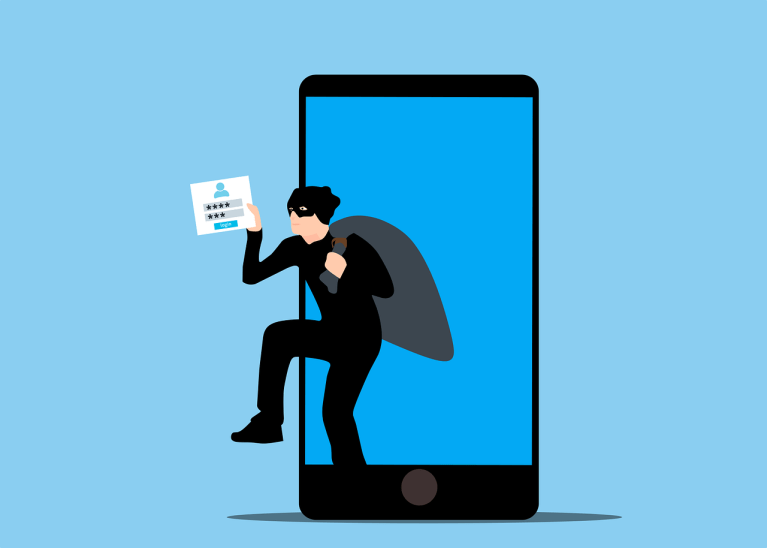
Your smartphone is a digital wallet, password vault, communication hub, and personal assistant, all rolled into one portable device. It’s jam-packed with sensitive data, from your financial information, personal photos, location history, emails and calendar, as well as all the specific phone numbers, emails and addresses of your entire contacts list. It’s easy to see why mobile devices are prime targets for cybercriminals.
Mobile malware is often overlooked. People focus on securing their laptops or desktops, but they don’t pay as close attention to smartphone and tablet security.
In 2023, attacks on mobile devices increased by 50% over the prior year.
The fact is hackers haven’t overlooked mobile devices. They set many traps to get users to infect their devices with malware. We’ll uncover common mobile malware traps and tell you how to avoid them.
Common Mobile Malware Traps
Mobile malware is just like its computer counterpart. It is malicious software designed to harm your device or steal your data. It can arrive in various forms, from sneaky apps to deceptive links and can come through many channels like email, text or calls. Ignorance is not bliss here. Understanding the common traps is your first line of defense.
-
Phishing Attacks: These are the most common. You receive a text or email appearing legitimate, often mimicking trusted brands. Clicking links or downloading attachments can lead to malware infection.
-
Malicious Apps: Not all apps are safe. Some apps contain hidden malware that can steal data, display ads, or even control your device. Always research apps before downloading.
-
SMS Scams: Phishing SMS scams, or smishing, use text messages to trick you. They lure you into clicking links or sharing personal information. Be wary of unexpected messages, especially those asking for sensitive info.
-
Wi-Fi Risks: Public Wi-Fi networks are often unsecured. Connecting to them without caution can expose your device to hackers. Avoid accessing sensitive information on public Wi-Fi.
-
Fake Apps: These mimic popular apps but are actually malware in disguise. They can steal your login credentials, financial information, or even control your device. Always verify app authenticity.
-
Adware: While less harmful than other malware, adware can be annoying. It can also potentially expose you to other threats. It often comes bundled with other apps.
Protecting Yourself: Essential Tips
-
Stay Updated: Keep your phone's operating system and apps updated. Install the latest security patches or turn on auto-update.
-
Be Wary of Links and Attachments: Avoid clicking on links or downloading attachments, particularly from unknown senders.
-
Strong Passwords: Create complex passwords for your phone and all your apps. Consider using a password manager.
-
App Store Safety: Only download apps from official app stores like Google Play or the Apple App Store. Read reviews and check permissions before installing.
-
Beware of Public Wi-Fi: Use a VPN when connecting to public Wi-Fi to encrypt your data.
-
Regular Backups: Back up your phone regularly to protect your data from loss or corruption.
-
Security Software: Consider using a reputable mobile security app for added protection.
-
Mobile Device Management (MDM): Implementing MDM solutions can help businesses secure, monitor, and manage mobile devices used by employees. This includes enforcing security policies like Multi-Factor Authentication, remotely managing devices, and ensuring compliance with company standards.
Extra Steps to Safeguard Your Smartphone
Here are a few more layers of protection you can use to fortify your smartphone's defenses.
Physical Security Matters
-
Lock It Up: Always set a strong passcode, fingerprint, or facial recognition lock. Avoid simple patterns that can be easily guessed.
-
Beware of Public Charging: Avoid using public USB charging stations. These can be compromised, allowing hackers to access your device.
-
Lost or Stolen Phone: If your phone is lost or stolen, remotely wipe its data. This protects your sensitive information.
App Permissions: A Closer Look
-
Limit App Permissions: When installing apps, carefully review the requested permissions. Deny unnecessary permissions to safeguard your privacy and data. For instance, a flashlight app doesn't need access to your contacts.
-
Regular App Audits: Periodically review the apps on your phone. Uninstall apps you no longer use to reduce potential vulnerabilities.
Backup Your Data
-
Cloud Backups: Use cloud storage services to back up your data regularly. This ensures you have a copy of your important files even if your phone is lost, stolen, or damaged.
-
Local Backups: Consider backing up your phone to your computer. This is another added layer of protection.
Empower Yourself: Take Control of Your Digital Life
By following these tips, you can significantly enhance your smartphone's security. Remember, prevention is always better than cure. Stay vigilant, informed, and proactive in protecting your digital content, as well as your identity and the identities of those who trust you with their contact details.
Your smartphone is a powerful tool, but it's also a potential target for cybercriminals. By understanding the threats, taking proactive steps and being alert to suspect emails and texts, you can prevent catastrophe. Enjoy the benefits of mobile technology without compromising your (or your company's) security!
Contact Us to Fortify Mobile Security at Home and Office
A majority of employees use personal devices for work which integrate to provide access into company programs. This means mobile malware on their single device can provide a hacker access to multiple devices, with the potential for a full blown data breach of your entire company network. More than 90% of all cybersecurity incidents result from employees not being alert to cyberthreats and falling victim to the tricks of hackers. An effective Mobile Device Management program can be the security your company needs to prevent this single point of failure being the root cause of a significant disaster.
Be proactive and put mobile security in place now. Simple IT’s team of experts can provide your company with reliable solutions, like Mobile Device Management (MDM), Password Managers and Cybersecurity Awareness Training, and ongoing support to keep everything updated for years to come.
Contact us today to schedule a chat about cybersecurity and mobile device protection for your business.
—
This Article has been Republished with Permission from The Technology Press.