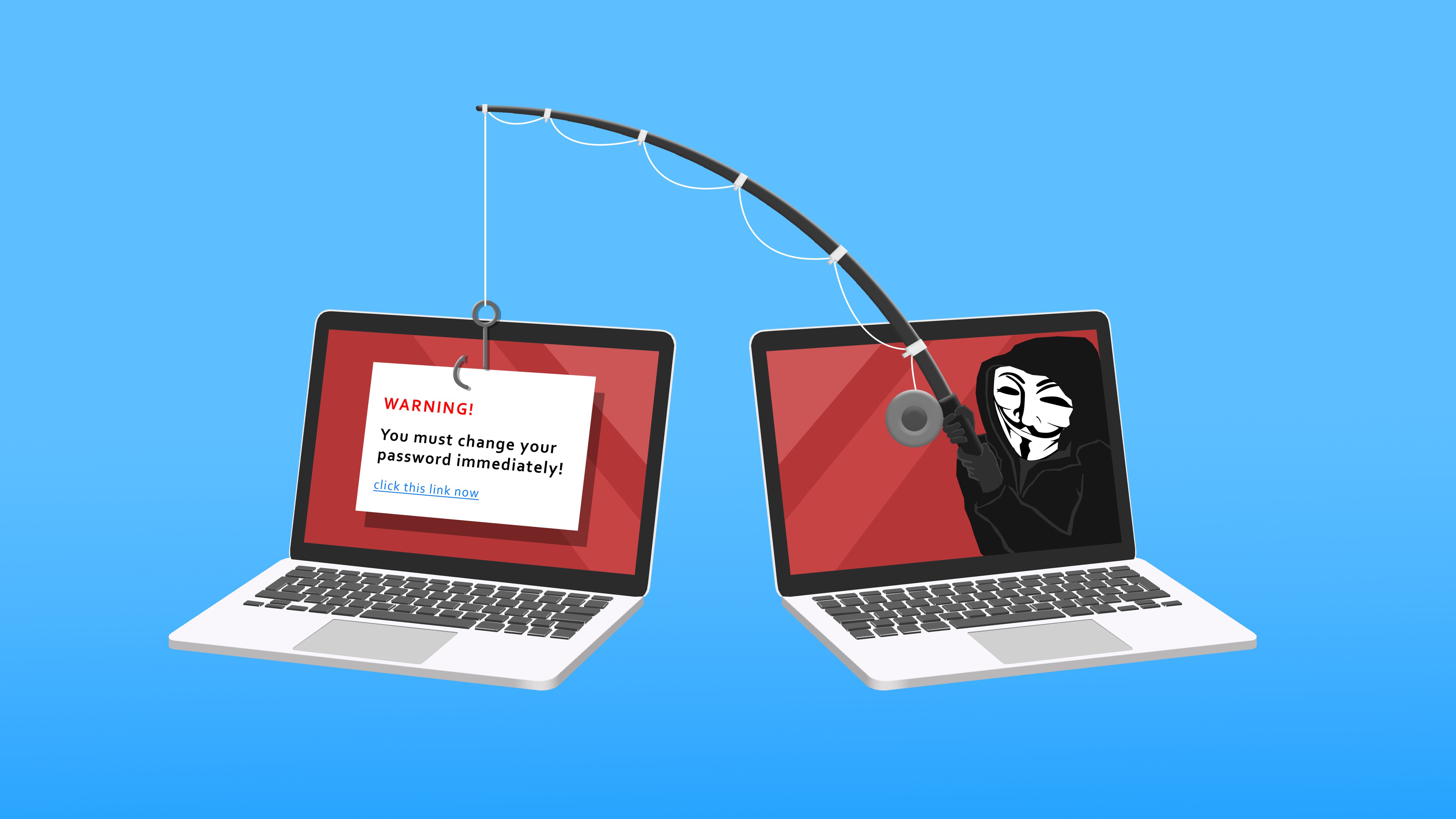
If a cyberattack hits your Northern Kentucky business, what you do in the first hour can make all the difference.
Whether you're running a manufacturing company in Erlanger, an accounting firm in Covington, or a contractor's office in Florence, the wrong decision can turn a manageable incident into a costly business disruption.
It's also the easiest time to make a costly mistake, like turning off the wrong machine, deleting evidence, or replying from an email account the attacker is already reading.
The step-by-step guide below is provided to help NKY business owners respond quickly and confidently. You don't need to be a cybersecurity expert, you just need a clear plan.
Doing these steps doesn’t require technical knowledge.
Before Anything Else: Don't Make It Worse
Before you touch anything, avoid these:
- Don't turn the affected computer off, if you can avoid it. Disconnecting it from the network is better, because powering it down can wipe evidence that helps work out what happened.
- Don't delete anything. Leave the ransom note, the suspicious email, and any alerts exactly where they are. They're what your IT team and investigators will need.
- Don't pay a ransom on the spot.
- Don't use the hacked email or accounts to talk about the attack. If an attacker is in your inbox, they can read those messages. Switch to phone calls or a different account.
Step-by-Step: What to Do After a Cyberattack
If your Northern Kentucky business suspects a cyberattack, work through these steps immediately:
- Disconnect the affected devices from the network. Unplug the network cable and turn off Wi-Fi on anything that looks affected. This stops the problem spreading to other computers and to your backups. CISA's guidance is to isolate devices rather than power them off where you can, and to shut a device down only if you can't get it off the network any other way.
- Call your IT provider right away, by phone. Don't email, in case the attacker is watching your inbox. If you have cyber insurance, call your provider next, because most policies require you to involve their incident team within a preset timeframe.
- Leave the evidence alone. Don't wipe, reinstall, or tidy up the affected machines yet. Screenshots of the ransom note or suspicious emails are useful, but keep the originals too.
- If money was sent, call your bank immediately. Ask them to recall the transfer and freeze it if they can. With wire and bank fraud, acting in the first few hours makes the biggest difference.
- Reset passwords from a clean device, and turn on multi-factor authentication. Start with email and any admin accounts, and use a device you know isn't affected.
- Report it. That can help you recover, and it's sometimes legally required. It's easy to file a complaint at the FBI's Internet Crime Complaint Center, as well as Kentucky's Office of Homeland Security.
Reporting a Cyberattack
If money was wired to a scammer, report it fast.
The FBI says reporting wire fraud to IC3 within 72 hours gives its Recovery Asset Team the best chance of clawing it back, and that team recovers funds in about 70% of the cases reported in time.
If personal data about your customers or staff was exposed, you may be legally required to notify a regulator and the people affected, sometimes within 72 hours.
The rules depend on where you operate. So contact your city, county and state agencies based on the locations where your business operates.
Consult with your IT provider early for assistance with reporting, and so you don't miss any critical reporting deadlines.
Should you pay the ransom?
If it's ransomware, the big question is whether to pay.
The FBI does not recommend it. Paying doesn't guarantee you get your files back, it marks you as a business that pays, and the money funds more attacks.
Before making any decision, speak with your IT provider, cyber insurance company, and law enforcement. In many cases, recovery options or free decryption tools may already be available.
The Best Defense Starts Before a Cyberattack
The easiest cyberattack to recover from is the one you've already planned for.
Every Northern Kentucky small business should have a simple incident response plan that includes:
- Who to call first (your IT provider, your insurer) and their numbers, kept somewhere you can reach without your main systems. Dedicated contacts in your personal mobile device are advised.
- Where your backups are, and proof they've been tested by restoring from them.
- Which accounts and devices matter most, so you know what to protect first.
A single page covering those is enough for most small businesses, and it'll save you a lot of scrambling if the day ever comes.
Conclusion
No business in Northern Kentucky is immune to cyber threats, and smaller businesses often make the easiest targets, but every business can be better prepared.
Having the right response plan and a trusted local IT partner can mean the difference between a minor disruption and days of costly downtime. If you're unsure whether your current cybersecurity protections are enough, it's worth reviewing your incident response plan before an emergency happens.
Need help protecting your NKY business? Simple IT provides proactive cybersecurity, managed IT services, and fast local support for businesses throughout Northern Kentucky, helping you prevent cyberattacks, recover faster, and keep your team productive. Schedule your free IT assessment online, call us at 859-449-7878, or email us at info@simple-it.us.
_________________________________________________________________________________________________________
Article used with permission from The Technology Press.