In 2025, cyber threats are more prevalent than ever, targeting businesses, employees, devices, networks, clients and more. Whether it’s stealing sensitive data, disrupting business operations, or demanding ransom, cybercriminals are becoming increasingly sophisticated. Small and mid-sized businesses (SMBs) and government agencies must stay vigilant and prepared as they are commonly the most targeted, and most susceptible. Simple IT, a trusted IT Managed Service Provider (MSP), specializes in technology support, business continuity, cybersecurity, and on-premises access security to help organizations across various industries in Northern Kentucky stay protected.
What Are the Most Common Cyber Threats?
Cyber threats come in many forms, some old, some new, and are always evolving. Here are five common threats businesses and their employees should be aware of and watching for:
Phishing Attacks
Phishing attacks remain one of the most effective cyber threats. Cybercriminals trick users into revealing personal and business-sensitive information through deceptive emails, fake websites, or fraudulent phone calls. How to protect yourself:
Educate employees on how to recognize phishing attempts with regularly conducted Cyber Security Awareness Training and testing
Always verify the sender’s email address as one you recognize, and check into it further if it’s not one you know for certain to be safe
Do not click on suspicious links or download unexpected attachments, check with the recipient who sent it to you… they may be compromised and not aware
Ransomware
Ransomware attacks lock critical business data or systems, then demand payment for their release. SMBs are especially vulnerable due to limited cybersecurity defenses, and government agencies are attractive targets because of the volume of sensitive data they hold. How to stay protected:
Deploy robust endpoint security solutions to protect the device and prevent it becoming the pathway in to your network
Keep your software and systems updated to the newest and most secure version
Regularly back up your files to a secure and offsite location, consider an automated back-up solution or cloud storage tool to confirm this important step
Malware
Malicious software (malware) can damage computers, steal sensitive information, and disrupt business operations. Prevention measures include:
Keeping systems and applications patched against known vulnerabilities
Installing enterprise-grade antivirus and anti-malware software
Avoiding downloads from untrusted sources
Business Email Compromise (BEC)
Hackers infiltrate or spoof legitimate business email accounts to steal funds or sensitive data. To prevent BEC:
Implement email authentication measures such as SPF, DKIM, and DMARC
Train employees to recognize and report suspicious emails… consider your employees as the front-line defense and train them well
Use multi-factor authentication (MFA) for email accounts to protect identities and access
Insider Threats
Not all threats come from outside the organization. Disgruntled employees or unintentional mistakes can lead to data breaches. Best practices to reduce insider threats:
Implement role-based access controls (RBAC) and Privileged Access Management (PAM) solutions to prevent staff from accessing data or programs which aren’t necessary for their job role
Conduct regular security awareness training and network scans
Control password use with a Password Manager where passwords are securely protected and shared with time-based access and administrator controls to remove access by a specific person or group of people quickly
How Can You Protect Your Business Online?
Businesses must take a proactive approach to cybersecurity. Simple IT recommends these best practices:
Use Strong Passwords and Multi-Factor Authentication (MFA)
Create complex, unique passwords for each account
Enable MFA to add an extra layer of security
Use firewalls and intrusion detection systems with monitoring, alerts and managed reporting
Segment networks so sensitive data and key business systems aren’t accessible by public or guest networks, allow access to key networks only to those employees who need it to perform their job requirements
Deploy Security Information and Event Management (SIEM) solutions with continuous monitoring, alerts and detailed reporting
Partner with a trusted IT & CyberSecurity consultant, like Simple IT who can ensure your 24/7 security monitoring and alerts to help identify, block and remediate a cyberthreat
Why Cybersecurity Matters for SMBs and Government Agencies
Cybersecurity is not just for large enterprises, SMBs and government agencies in Northern Kentucky are frequent targets for cybercriminals. Simple IT offers comprehensive cybersecurity solutions which can be tailored to protect partners based on their specific industry and business type, such as …
Financial Transactions: Secure online banking and e-commerce operations
Customer and Employee Data: Prevent identity theft and compliance violations
Operational Continuity: Minimize downtime from cyber attacks, network disruptions and other unplanned disruptions
What To Do If You’re a Victim of a Cyber Attack
If you suspect a breach, taking immediate action can minimize damage.
Report the Incident: Notify your IT department or managed IT service provider immediately if you believe there may have been an incident
Change Passwords Immediately: Secure compromised accounts with strong passwords
Isolate Affected Systems: Prevent further spread of malware and viruses by quarantining the impacted device by removing it from the network and turning it off
Back-Up Critical Data: Ensure your important data and the information you’ll need to recover swiftly is saved to a safe and trusted device, like a flash or external hard drive, or encrypted cloud storage
Future Cyber Threats: What’s Next?
The cyber threat landscape is constantly evolving. Businesses should be prepared for:
Supply Chain Attacks: Bad actors infiltrating businesses to assume employee identities and email accounts in order to trick trusted vendors or clients into making unverified payments, or providing bank and credit accounts
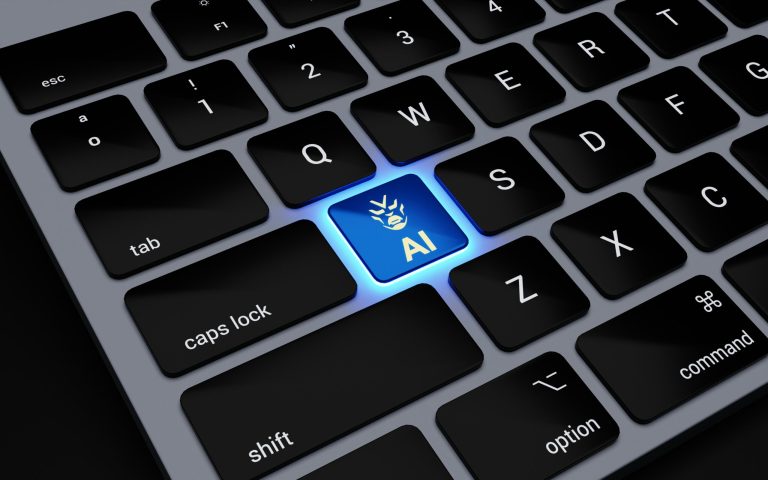
AI-Powered Cyber Attacks: Cybercriminals leveraging artificial intelligence for highly targeted attacks which can quickly hit a large volume of devices and networks
IoT (Internet of Things) Security Risks: Connected devices and “Smart” equipment becoming primary targets for hackers as a pathway into targeted networks
Stay Secure with Simple IT
Cybersecurity threats continue to rise, but with the right strategy and expert support tailored to your business, you can stay rest easily knowing you’re protected. Simple IT helps SMBs and government agencies in Northern Kentucky strengthen their cybersecurity posture with:
Advanced threat detection, monitoring, alerts and automated response
Proactive IT security and disaster planning and recovery
Email filtering and Continuous Data Back-Up of servers and cloud storage
On-premises access controls and security monitoring systems
Take the proactive approach to protect your business from cyber threats today! Waiting until it’s already happened may be a cost your business won’t be able to recover from. Contact Simple IT for a chat to learn more and to schedule a free cybersecurity assessment to see if your business is ready for the unexpected.
—
This Article has been Republished with Permission from The Technology Press.