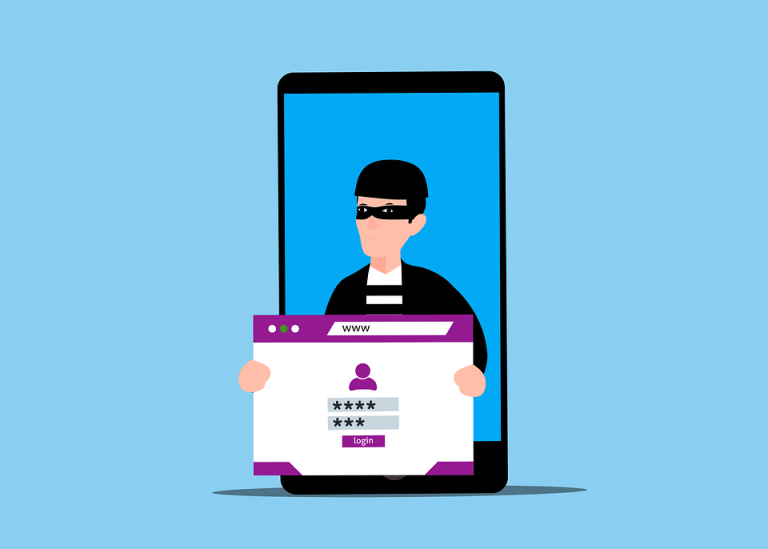
In today’s world of constant digital change, one thing has stayed crystal clear. Your data and your log-in credentials must be protected. Cybercriminals know this too, which is why credential theft has quietly become one of the most damaging threats facing businesses. Whether attackers use polished phishing emails or attempt direct break-ins, they are working nonstop to capture the usernames and passwords that unlock your systems and provide access to sensitive information about your business and your clients.
How serious is this issue? Verizon’s 2025 Data Breach Investigations Report shows that more than 70 percent of breaches involve stolen credentials. For a small or mid-sized business in the Northern Kentucky area, that kind of hit can mean financial loss, downtime, broken trust, and either a long road back, or the end of the road completely. Relying on passwords alone is simply not enough anymore. Businesses need stronger layers of protection to stay safe in today’s threat landscape.
Understanding Credential Theft
Credential theft is rarely a single moment. It is a slow build that begins with attackers finding vulnerabilities, gathering small pieces of information, and working their way toward increased access and more valuable data. Common tactics include:
Phishing emails which imitate real companies to trick users into entering credentials.
Keylogging malware that records keystrokes to capture passwords.
Credential stuffing in which attackers try passwords leaked from unrelated breaches.
Man in the Middle attacks on unsafe public Wi-Fi networks to intercept logins.
Why Traditional Logins Are Not Enough?
Username and password combinations used to be the foundation of authentication. Today they are the weakest link. People reuse passwords, pick predictable ones or fall for realistic phishing attempts. Without stronger safeguards, one mistake gives attackers a direct path into your systems.
Staying ahead of credential theft requires a layered strategy. Fortunately, the options available today are far more effective and much easier to use.
Multi Factor Authentication (MFA)
MFA is one of the strongest and simplest ways to stop credential theft. A user signs in with something they know, like a password, and something they have, like a phone prompt or a fingerprint scan.
Hardware security keys and app-based authentication tools, like Microsoft Authenticator, make these attacks even harder to pull off. At Simple IT, we help organizations implement MFA that fits their tools, users and long term goals.
Passwordless Authentication
More businesses are moving toward passwordless sign in. It removes an entire category of risk by using modern methods such as:
-
Biometrics, like facial recognition and fingerprint readers
-
Push approvals through mobile apps
-
Single Sign On with Microsoft 365 or other identity platforms
Passwordless tools are becoming easier to deploy, and they reduce stress for users as well.
Privileged Access Management (PAM)
High level accounts and devices belonging to executives, administrators and system owners are prime targets. PAM adds strict oversight to these accounts and their computers, offering just in time access and secure vaulting of sensitive credentials. This keeps powerful accounts, and the devices which access them, from being misused or exposed.
Behavioral Analytics
Modern security tools use artificial intelligence to monitor login behavior and flag activity that seems out of place. Examples include:
-
Logins from unusual locations
-
Attempts at strange hours
-
Sudden spikes in failed login attempts
Simple IT uses these tools to alert your team early, often before a threat turns into an incident.
Zero Trust Architecture
Zero Trust focuses on one idea, which is that no single user is automatically trusted. This means every request is verified based on user identity, device health and context. It is a smarter, more controlled way to grant access, especially in hybrid environments or organizations with remote employees.
Employee Awareness Still Matters
Even the strongest tools can fail when people are not paying attention. Human error remains the leading cause of breaches. Training employees to spot suspicious emails, avoid reusing passwords, understand the purpose of MFA, and best practices to report concerns quickly, all help to reduce risk.
Simple IT provides training programs that keep teams informed of the latest cybersecurity trends, instructions and training on new security tools, and best practices to follow in an easy to understand and non-technical manner, without overwhelming them or creating panic.
Credential Theft – It’s Only a Matter of When
One truth is simple. Attackers are getting smarter and the tools they use are getting faster. Credential theft is no longer a rare event. It is something every Cincinnati area business needs to prepare for. Stronger authentication, consistent monitoring from a trusted IT Security Provider, and a modern business technology strategy can keep your business ahead of the most harmful threats.
How is your business technology and security plan? We can help you find out for sure. When you’re ready to see how your business network, devices, and accounts are really protected, (or not protected!), Simple IT is here to show you the way. We support businesses, government agencies, and non-profit organizations across Northern Kentucky with the tools and expertise they rely on for strengthened defenses, and protection of what matters most to their operations. Give a look to what our clients say about working with Simple IT, and if we sound like the type of security and tech support provider you want to protect and optimize your organization, we'll be happy to take your call! 👍
—
This Article has been Republished with Permission from The Technology Press.