Email is a fundamental communication tool for businesses and individuals alike, But it’s also a prime target for cybercriminals. With cyberattacks becoming more sophisticated, enhancing your email security has never been more critical. Simple IT, your trusted Managed IT Services Provider (MSP) serving Northern Kentucky and Cincinnati, OH, is here to guide you through essential steps to protect your business and personal information.
Ninety-five percent of IT leaders agree that cyberattacks have become more sophisticated, with Over half (51%) have already seen AI-powered attacks in their organization targeting their organizations.
By taking proactive measures, you can protect your sensitive information, prevent unauthorized access, and maintain communication integrity. Here are six simple steps to easily enhance the email security of your small or medium business.
1. Use Strong, Unique Passwords
Passwords are your first line of defense for securing your email accounts. A weak password is like an open invitation for cybercriminals. To enhance your business email security, use strong, unique passwords that are difficult to guess.
Create Complex Passwords
A strong password should include a mix of:
-
Uppercase and lowercase letters
-
Numbers
-
Special characters
Avoid using common words or phrases. Don’t use easily guessable information like your name or birthdate. A complex password is harder for attackers to crack, providing an essential layer of email protection.
Use a Password Manager
Remembering complex passwords for multiple accounts can be challenging. A password manager can help you generate and store unique passwords for all your accounts. With a password manager, you only need to remember one master password, simplifying the process while enhancing your security.
Avoid Reusing Passwords
Using the same password across many accounts increases your risk. If one account is compromised, all accounts using that password are vulnerable. Ensure each of your email accounts has a unique password. This prevents a single breach from compromising multiple accounts, protecting your email security from PC to mobile device management.
2. Enable Two-Factor Authentication (2FA)
Two-factor authentication (2FA) adds an extra layer of protection to your email accounts by confirming both your identity and your physical possession of the device being used. Even if someone obtains your password, they won’t be able to access your account without the second factor of authentication.
Choose a 2FA Method
Common 2FA methods include:
-
SMS codes
-
Authenticator apps
-
Hardware tokens
Select the method that best suits your needs for securing your email accounts across all your devices.
Set Up 2FA for All Accounts
Most email providers offer this feature and setting it up usually takes just a few minutes. This simple step significantly enhances your email security, particularly against cyberattacks originating from Covington, Newport, Ft. Mitchell, Fort Wright, Erlanger, Cincinnati or anywhere else in the world. For mobile devices, Biometric log-in provides a secure multi-factor option by confirming your unique physical features like fingerprint and facial recognition.
3. Be Cautious with Email Attachments and Links
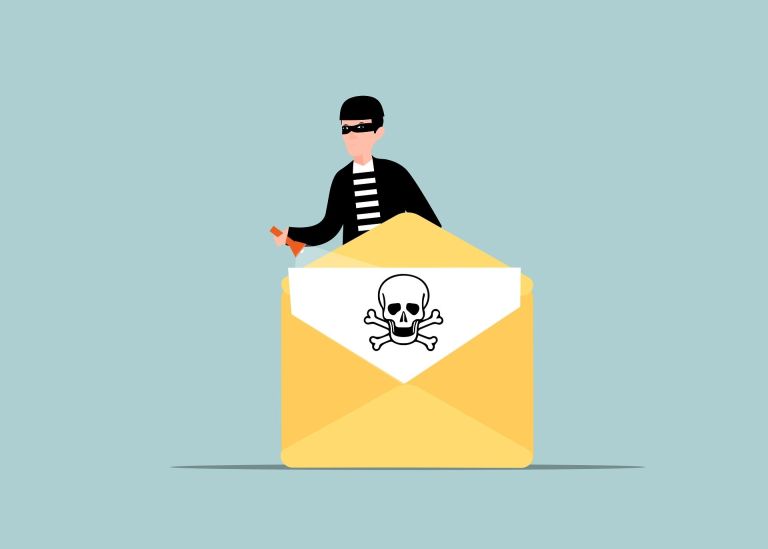
Email attachments and links are common vectors for malware and phishing attacks. Clicking on a malicious link or opening an infected attachment can give attackers access to your system. Exercise caution to protect your email security and to prevent costly cybersecurity incidents.
Verify the Sender
Before opening an attachment or clicking on a link, verify the sender’s identity. If you receive an unexpected email from someone you know, contact them through a different communication channel to confirm they sent it. Another verification step is to check the domain of the email address to confirm they have a legitimate online presence by a matching website. Be extra cautious with emails from unfamiliar senders and take your role as the final line of defense seriously.
Scan Attachments
Use antivirus software to scan email attachments before opening them. Many email providers offer built-in scanning features, but using your own antivirus software on your PC or mobile device adds an additional layer of protection for your email security.
Avoid Clicking on Suspicious Links
If a link seems suspicious or too good to be true, don’t click on it. Hover over the link to inspect the URL. If the URL appears unfamiliar or odd, navigate to the website directly through your browser to avoid falling victim to phishing scams.
4. Keep Your Email Software Updated
Email client software updates often include critical security patches that protect you from emerging threats. Keeping your email software updated ensures you have the latest protections against known vulnerabilities.
Enable Automatic Updates
Most email clients and operating systems offer automatic updates. Enable this feature to keep your software up to date without requiring manual intervention. Automatic updates reduce the risk of missing important security patches, ensuring your email security is always up to date.
Regularly Check for Updates
Even with automatic updates enabled, it's wise to manually check for updates periodically. This helps ensure you don’t miss critical security patches and keeps your email system running securely and efficiently. Set a recurring appointment in your calendar to check for manual updates a few times each year.
5. Use Encryption for Sensitive Emails
Encryption adds a layer of protection by encoding email content, making it readable only by the intended recipient. This ensures that even if your email is intercepted, the information remains secure. Attached files can also be encrypted, or password protected, to further protect the data they contain.
Encrypt Emails Containing Sensitive Information
If you're sending sensitive information, like financial data or personal details, make sure to use encryption. This ensures your content stays protected during transit. Many email providers offer built-in encryption features, but for extra email protection, consider using third-party encryption tools that offer end-to-end encryption.
Educate Recipients
If you send an encrypted email, inform the recipient by a different communication channel with the information they’ll need to decrypt it securely. This step ensures that both the sender and the recipient understand how to protect the content and avoid unauthorized access.
6. Watch Your Email Activity
Regularly monitoring your email activity helps detect suspicious behavior early. By staying vigilant, you can quickly respond to potential threats.
Set Up Activity Alerts
Many email providers offer activity alerts to notify you of unusual logins or changes to your account. Enable these alerts for real-time notifications about your email account security.
Regularly Review Account Activity
Periodically review your account’s login history and check for unfamiliar devices. If you notice any suspicious activity, take immediate action, such as changing your password and reviewing your security settings.
Respond Quickly to Suspicious Activity
If you detect anything unusual, respond quickly. Change your passwords, review your security settings, and enable additional security features like Two-Factor Authentication (2FA) or email encryption.
Need Expert Email Security Solutions in Cincinnati and Northern Kentucky?
Email security is essential for protecting both your personal and professional information. If you're looking for effective solutions to reduce the potential for email compromise and phishing risk at your company, Simple IT offers comprehensive cybersecurity services tailored for small and medium sized businesses with clients throughout Northern Kentucky and Cincinnati, Ohio.
Contact us today for a chat about enhancing your email security and protecting your organization from the evolving threat landscape.
—
This Article has been Republished with Permission from The Technology Press.